




Fuel & Energy

Fuel Delivery, Connected

Will-Call Management | No-Heat Prioritization | Keep-Fill Scheduling | Tank Size Tracking | Fuel Type Records | Delivery History | Property-Based Fuel Records | Smarter Route Planning

From a will-call to a paid invoice

Between the cold snap and the invoice

Nine steps, from the first cold morning to the next delivery window.

1
6:05 a.m., first real cold morning.

Voice AI takes will-calls while your office is still one person deep and the second line is already ringing.

2
The tank data comes up.

Two hundred seventy five gallon tank, number two oil, last fill 340 gallons in February. The order gets sized before anyone routes it.

3
It lands on tomorrow’s route.

Grouped by area, next to the keep-fill stops that were already sequenced, without rebuilding the day.

4
A no-heat call comes in behind it.

That one goes to a service tech, not a driver, and it does not wait behind eleven fill requests.

5
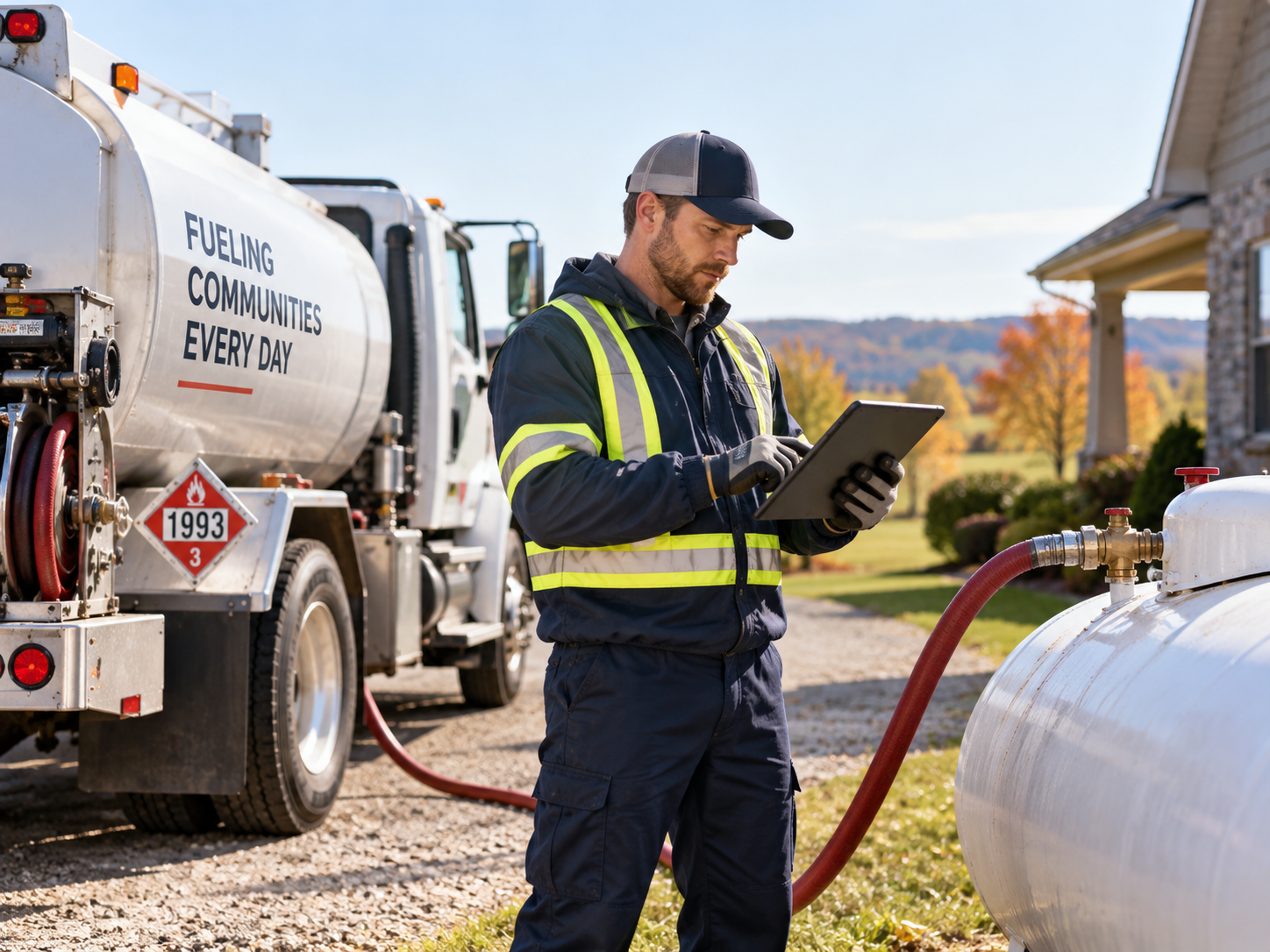
The driver delivers and tickets it from the truck.

Gallons and tank reading entered in the driveway, feeding the property record immediately.

6
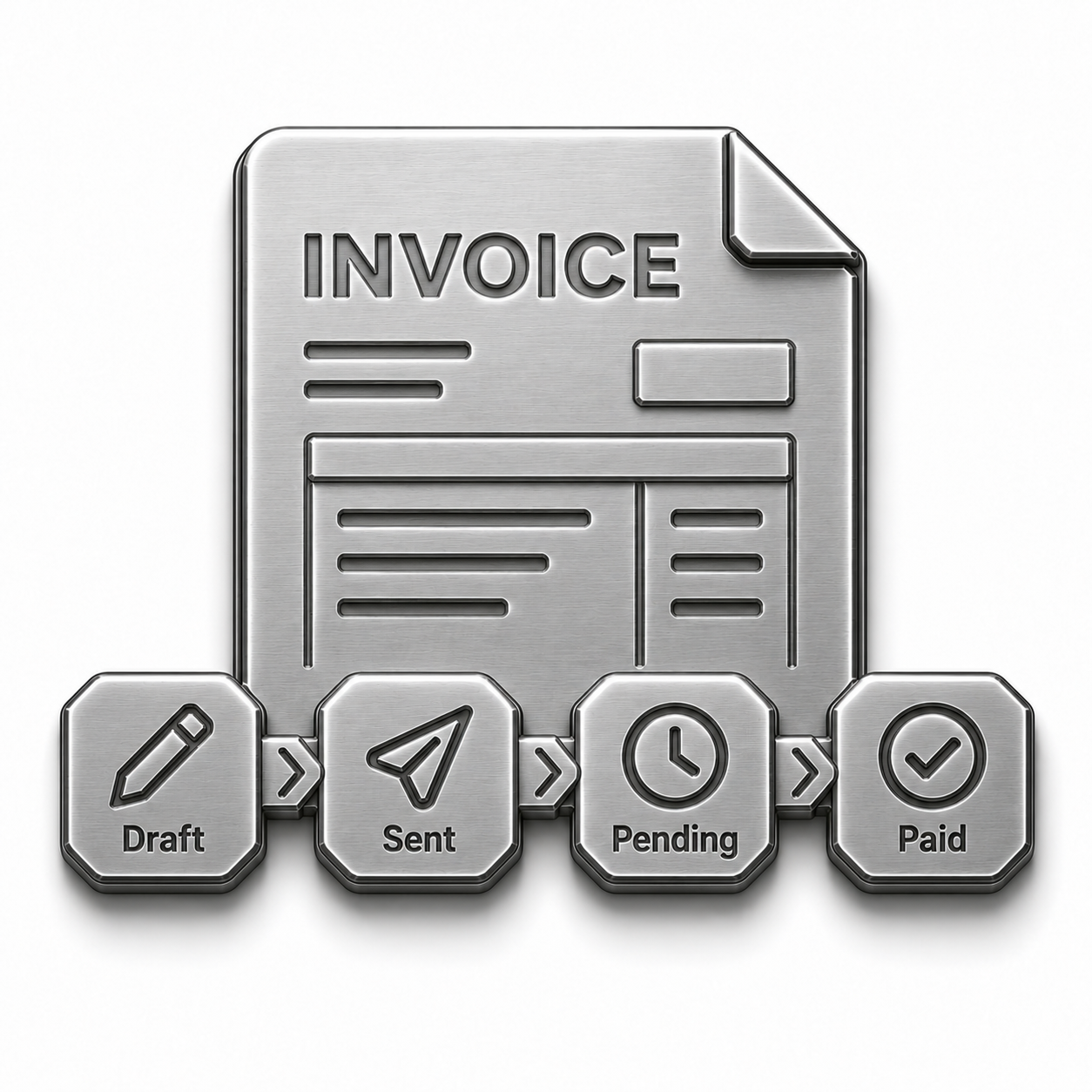
The ticket becomes the invoice.

Nobody retypes a paper ticket at four in the afternoon.

7
Payment follows the plan she signed up for.

Per delivery, or the budget arrangement, without a manual adjustment each time.

8
The burner tune-up books on the same record.

Service history and delivery history sitting on one property, because in this business they are one customer.

9
The next delivery window gets flagged.

Before she has to call in a runout, which is the call that costs you a same-day emergency run.

Everything a fuel delivery business runs on one system

Where fuel and energy stops working like every other trade

Four pieces, working off the same property record.
Property record showing water heater details, a list of fixtures, and a timeline of recent service calls
One Property Record
Delivery and service are one business wearing two hats.

The customer whose tank you fill is the customer whose burner you tune. Keep both on the same property record and your service side stops being invisible to your delivery side.

Key capabilities
  • Tank size, fuel type, and delivery history on every property
  • Heating equipment and service history on the same record
  • Burner and furnace calls share the dispatch board with deliveries
  • Tune-ups booked from the same customer record
Flat-rate pricing menu on a tablet with three tiers for a water heater replacement
Routing & Dispatch
A route is built from usage, not from a list.

Tank size, last fill, and consumption pattern decide who actually needs a truck. Will-call and keep-fill run on the same board, and an emergency slots in without the day collapsing.

Key capabilities
  • Will-call and keep-fill on the same board
  • Orders sized from tank size and last fill
  • Stops grouped by area and sequenced
  • Same-day requests inserted without rebuilding the route
Field estimate showing camera inspection footage next to a repair-or-replace decision
Voice AI Call Handling
The cold snap is a staffing problem you cannot hire your way out of.

You need six phone lines for four days a year. Voice AI answers the surge so a will-call does not turn into a runout, and a runout does not turn into an emergency run priced at a loss.
Key capabilities
  • Will-call orders captured and queued for the route
  • No-heat calls sent to a service tech, not a driver
  • Every call answered through the surge
  • Keep-fill accounts flagged before they run past their window
Dispatch board with an emergency job reassigned to the nearest available technician
Tickets, Invoicing & Budget Plans
Billing is not the same thing as delivering.

Budget plans, per-delivery billing, balances carried across a season. Tickets become invoices on their own, and the plan she chose is the one that runs.

Key capabilities
  • Delivery tickets entered from the truck
  • Tickets become invoices without retyping
  • Budget plans and per-delivery billing side by side
  • Balances carried across a season
Voice AI for Fuel Delivery

Voice AI for the first cold morning

Voice AI is trained on what actually separates a no-heat call from a routine fill request.
A no-heat call in January and a routine fill request do not get the same place in line.
It takes a will-call order and queues it for the route without anyone re-entering it afterward.
It checks tank size and last delivery before booking a fill, so the office is not guessing at gallons.
It flags a keep-fill account that is running past its window, before the customer calls in empty.
Midnight call transcript showing Voice AI gathering leak location and shutoff status with an emergency dispatch queued
Questions We Hear a Lot

You Ask. We Answer.

1. Does PropelOne handle will-call and keep-fill together?

Yes, on the same board, with same-day requests inserted without rebuilding the route.

2. Can Voice AI take a will-call order and route it?

Yes. The order is captured and queued without manual re-entry.

3. Does it track tank size and fuel type per property?

Yes, along with delivery history and any heating equipment on the same property.

4. Can drivers ticket a delivery from the truck?

Yes. Gallons and tank readings enter on the spot and feed the property record.

5. Does it support budget and payment plans?

Yes, alongside per-delivery billing, configured to match how you already run them.

6. Can delivery and equipment service run on one system?

Yes. Burner and furnace calls share the property record and the dispatch board with deliveries.
Every will-call answered

Don’t Miss
the Will-Call

Every tank on record, every route built from usage, every ticket turned into an invoice.